-
ArcelorMittal’s backtracking dirties its shiny claims
ArcelorMittal claims to be at the ‘forefront of our sector in the net-zero transition’ but looking closer at reality, we see a company stalling and backsliding.
-
Commentary: US Steel acquisition risks cementing Nippon Steel’s status as a laggard on decarbonisation
Nippon Steel Corporation’s acquisition of US Steel in the final days of 2023 marks a critical turning point for the company, the sector, and both Japanese and American decarbonisation plans.
-
Introduction to SteelWatch
SteelWatch exists to accelerate the transformation to a decarbonised steel sector. We are a new international civil society organisation, driving corporate accountability and urgent climate action.
SteelWatch: a vigilant voice for transformation of the steel sector
We challenge the global steel industry to urgently deliver its fair contribution to a livable planet and support civil society to hold the sector accountable.
Drive Ambition and Accountability
We urge speed and scale in emissions reduction, challenging the narrative that incremental progress is enough. We shine a light on the gap between what is needed and what is happening.
Strengthen Global Advocacy
We support, connect and strengthen the movements working on corporate and national-level campaigns for a transparent, equitable and zero emissions steel sector.
Campaign for Corporate Action
We are vigilant and vocal in engaging and holding steel companies to account, seeking actionable change, company by company and plant by plant.
Latest Commentary
-
ArcelorMittal claims to be at the ‘forefront of our sector in the net-zero transition’ but looking closer at reality, we see a company stalling and backsliding.
-
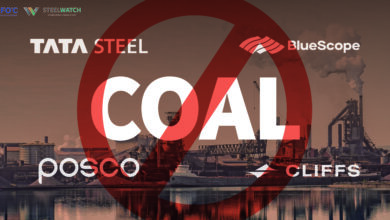
Four prominent steel companies have announced plans to reline blast furnaces, which are used to produce coal-based steel, that will lock in CO2 emissions of almost 500 Mt. SteelWatch and Solutions forOur Climate (SFOC) shed light on the alarming investments made by steel companies in coal-based steel production, driving millions of additional tonnes of emissions and running counter to their nations’ climate pledges. The commentary underscores the pressing necessity for transitioning to greener alternatives and intensifying climate scrutiny in investment choices to steer clear of coal-based steel production. It also underscores the implications for these companies’ competitiveness and the planet’s stability.
-
SteelWatch director Caroline Ashley challenges the complacency and greenwashing we hear from steel companies about decarbonisation. She sets out the urgency we need for any hope of Paris alignment and introduces SteelWatch.


Latest Reports
-
This report calls for the end of coal in steel production. It shows how coal- based production is driving the huge and dangerous climate emissions…
-
A 3 page summary of the report: Sunsetting Coal in Steel Production. It highlights why coal is the problem in steel-making and summarises our call…